In my previous posts I talked about the approach I’m taking to look at the energy transition, and started to look at the first set of problem caused by the ‘time of cost’. Today I’m looking at the problem posed by the ‘time of need’, this is the first of two parts talking about this problem and our current solutions, specifically in this post I’ll be looking at the supply side solutions to this problem.
To recap, essentially the problem that I call the ‘time of need’ is a mismatch in timing of the demand and supply of energy. The supply of renewable energy is intermittent, so we can’t guarantee we can get it whenever we want. Whereas the supply of fossil fuels are flexible, we can choose to burn them or not, which means we end up relying on fossil fuels far more than we would like to.
The most obvious way to deal with this issue is to make renewable energy more flexible. If it were more flexible, then we could use it when and where we want, and we wouldn’t have these problems. This is easier said than done.
A lot of renewable generators are remote, spread out and hard to move. They don’t exist in a single power plant that can be easily directed to the demand or readily turned on and off. The most flexible form of renewable generation is solar panels, you can stick them on the roof of your house and have your own easy, hyper-local, energy generation. They can in theory supply all a households electricity needs, in practice they can make-up a significant portion (even a majority if you’re smart about when you use electricity). However, they aren’t a perfect solution. The amount of energy they can produce is limited by where you are able to place them. From the angle of how your house faces the sun, to where you are geographically. They also generate most of their energy during the day (when most people are out of the house) and they don’t generate any electricity at night. If you’re renting a flat in a city this isn’t really an option for you either as the roof space to energy usage ratio of these buildings is dramatically different to detached housing, and depending on the layout of surrounding skyscrapers any solar panels might end up catching more shade than sun anyway.
There’s a lot of exciting work being done to develop new kinds of solar panels to make them literally more flexible. Allowing them to be applied to more kinds of surfaces and locations, from the roofs of cars to the sides of windows and buildings, and while this helps deal with the placement problem, it doesn’t deal with the timing issue.
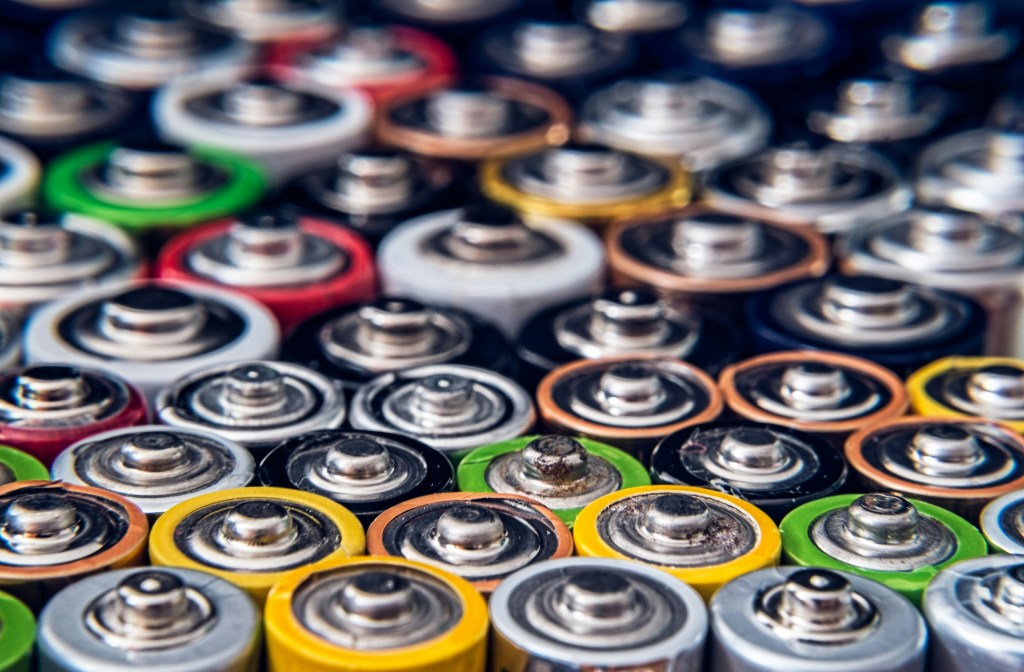
One way of making renewables more flexible, and directly addressing the timing is, is to develop a store of renewable energy, in the way coal and oil and gas work as a store of fossil fuel energy. This is most obviously done by batteries. Batteries serve as pockets of energy that we can move around and keep where and for when we need them (think of a battery attached to your solar panel, taking in the excess energy in the day, that you can then use at night). Big battery storage plants act as the grid equivalent, holding the excess energy from whatever renewable source and waiting to be distributed like any other power generator. You might be thinking this is the obvious answer, we emulate the thing that makes fossil fuels so flexible. However, batteries have previously been too expensive, and too ineffective at storing and keeping their charge, but year after year battery technology has been improving at a ridiculous pace and their costs have been dropping like a stone (the price of lithium ion batteries has declined by 97% over the past 3 decades!), starting to make them a viable and competitive alternative.
Another way to try and ‘store’ clean energy is through green hydrogen. Hydrogen is an incredibly flammable gas, which can be used as a form of energy. It can be stored and moved around, hydrogen itself is incredibly light (the lightest element), but because it is so volatile storage and transportation can be difficult. Hydrogen is generally produced through a process called electrolysis, which I won’t go into the full details of now, but it is basically a process by which we use electricity to split a larger molecule up into its constituent parts. In the case of hydrogen production, this means splitting up water (H2O) up into H2 and O2. Green hydrogen is when the electricity used in this process comes from a green electricity source (renewables or nuclear). The energy produced from that electricity source is effectively ‘stored’ in the hydrogen it is used to create, which can then be used later somewhere else.
The other approach for making the timing of renewables more flexible is by building better infrastructure. This includes the traditional kind that first came to your mind, physically connecting the power grid and electricity generators together, but it also includes the digital power grid. Virtual Power Plants (VPPs) are a way of connecting various, spread out energy generators together (distributed/decentralised electricity generators [DEG]), and coordinate the flow of energy to where it needs to go. Generally these systems will also include things like your home solar panels (as well as the larger dedicated generators like solar farms). They will buy that excess energy you’re not using during the day and sell it to somewhere that needs it. This kind of coordination and energy transference helps solve the mismatch problem because while renewable energy generation is intermittent, if its spread out it can spread the risk of intermittence, and capitalise on the different generation energy conditions over a wider area. Weather, for example, is normally localised, so where one solar or wind farm might not have enough wind or sun to generate enough energy to deal with local demand, another somewhere else will have too much sun or wind and be able to sell its surplus. This coordination, and the infrastructure to transfer this energy across the market creates some of that flexibility we’re looking for.
Through this post I’ve looked at the different supply side ways that we are currently trying to use to address this problem. By which I mean, the ways we’ve tried to make the supply of renewable energy more flexible. But that isn’t the only way to approach it, next time I’ll be looking at what we are doing from the demand side, and what we are doing to try and make the demand for renewable energy more flexible instead.
 Conor O'Shea
Leave a comment